Costa Rica; the clash of the morals

I have just read some great news; Costa Rica are apparently planning on becoming carbon neutral by banning single use plastic and ditching fossil fuels.

https://strawssuck.co.uk/blogs/news/costa-rica-aiming-to-be-number-1

Costa Rica are restoring their forests and protecting the main tourist attraction; their wildlife.
This is such great news but it does make me wonder why their approach to shark finning is still so archaic.
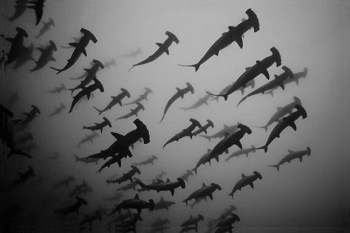
An online campaign has been started by The Costa Rican Endangered Marine Species Rescue Centre, Fins Attached and Wild over Wildlifeto stop the export of 8-tons of hammerhead shark fins which have amassed since March 2015.

Costa Rica should be one of the worldleaders in marine conservation, like it was in 2013 when Laura Chinchilla (president 2010-2014) led the campaign to include hammerheads in Appendix II of the CITES order to limit international trade.

I’m visiting in November and like so many others the main reason is the abundance of wildlife.
It’s not all doom and gloom – there has been some good news with the first criminal charges for shark finning delivered in February this year.
A court in Costa Rica sentenced a Taiwanese business owner to prison.
The woman’s fishing boat was found with 151 sharks aboard, all with their fins chopped off.
Just so everyone knows, the fins don’t grow back.

I really hope the plastic ban goes through and Costa Rica lead the way as this can only help with tightening up their shark finning laws.
Original article by Kristine Lofgren

http://inhabitat.com/costa-rica-aims-to-become-the-first-country-to-ban-all-single-use-plastics/
Straws suck!!

I haven’t written for a while, mainly because I’m stuck on the land. 😩

Lots has been happening though.. so about a year ago I stopped ordering plastic straws for the pub, I watched the awful video of a turtle having one extracted from its nose. That grossed me out so much I couldn’t put another plastic straw in a drink ever again, from that day we made the move to metal reusable straws.

#strawssuck

Anyway, that was 15 months ago, back to the present day.. Matt and I have got 55 sites so far confirmed as plastic straw free starting from September.
We are talking millions and millions of plastic single use straws per year, 80% of marine rubbish comes from land based sources… and plastic straws are the most common items found.

Our website launched last night, its so cool. Not only does it have easy to remember facts, we are selling the metal straws from it too. I added a page today that will list all of the people and venues that are part of this plastic free revolution.

WWW.STRAWSSUCK.CO.UK

The plan is to get every pub and bar in the UK plastic straw free by 2020, starting with Brighton.

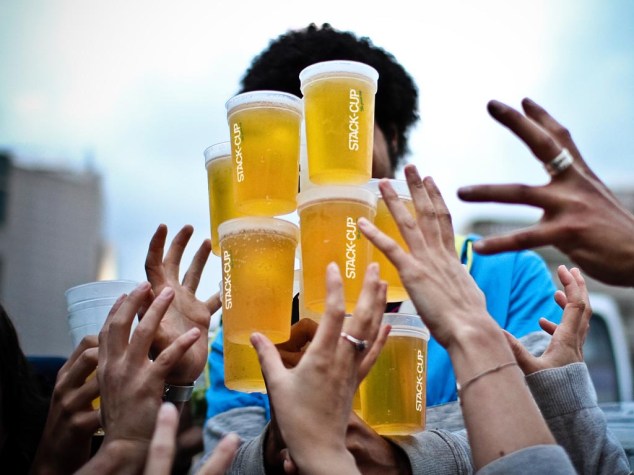
We have a long way to go but the feedback from managers of the sites I have visited is great so I’m pretty confident. Plastic cups are up there on the agenda too and we have been looking at an awesome company called Stack Cup as a possible solution. They are still plastic but they are reused by the customer and can be washed.

stack-cup1


It’s beginning to feel a lot like.. DEATH!

nintchdbpict000285177686

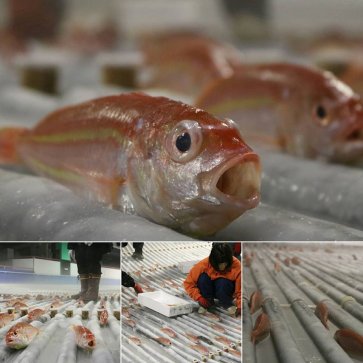
A Japanese theme park (Space World theme park in Kitakyushu) have frozen 5000 fish and sea creatures into an ice rink, the punters can skate over what the park are calling the – Aquarium of Ice.  More like the Nightmare before Christmas than a “pretty and educational wintery experience”

Thanks to a huge backlash on Facebook and twitter they have closed the exhibit.

This story really shows what public pressure can do and maybe with more support the likes of the Taiji dolphin drive hunting could end.

Here is a link to the full story.


My top 5 dive sites of 2016

1

5-3

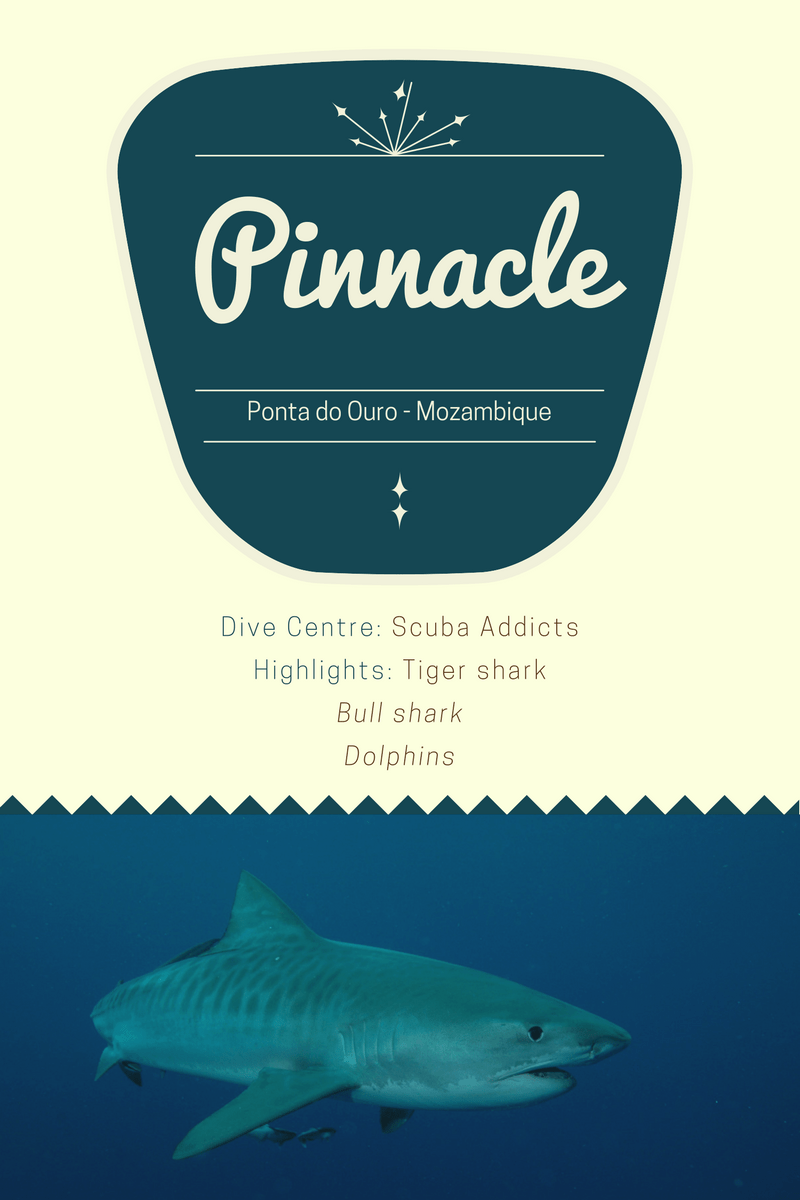
Craig and Shona run a great operation at Scuba Addicts. Matt and Thor our guides were really experienced and full of exciting stories of Tiger shark encounters.

I suggest a good 7mm full length wetsuit for South Africa with a hood and gloves, in October the water temp was 21°c but it felt much colder. I wore a Fourth Element Proteus Womens 7mm Semi-Dry Suit from Mikes Dive Store in London.

The launch off the beach in the rib is a real life James Bond experience, Cam is the master at getting out of the white water but hold on tight and bring sea sickness tablets the swell can break even the strongest stomach.

Bring books and things to do, you dive two tank dives early in the morning and then have the rest of the day free. Umkomaas isn’t the most happening of places and it isn’t safe to wonder about alone – even on the beach.

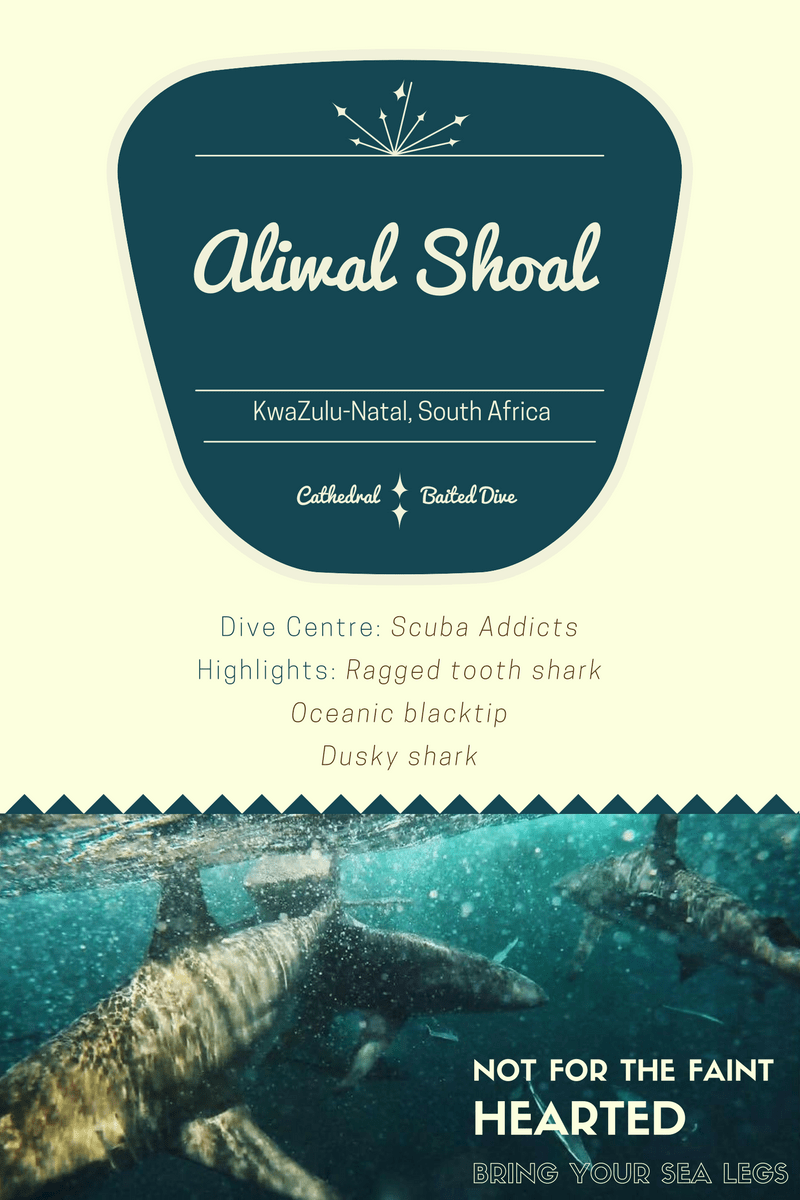
The dive is intense, you start with a negative entry roll through a frenzy of black tips splashing about on the surface. Dropping down to only about 10 meters you can now sit back and watch the show. Get as close to the drum line as you feel comfortable (within reason) but expect to get barged by the odd shark the closer you are.

Although this dive uses baiting techniques, these mimic the natural feeding pattern of the shark as close as possible, and do not induce a feeding frenzy at any stage. We weren’t lucky enough to see Tiger sharks on this dive but they are very common. Aliwal Shoal is a must for the adrenaline junkie or shark fanatic, this dive allows the avid photographer or videographer an excellent opportunity to capture these magnificent creatures in all their splendour in their natural environment.

The only danger on this dive is missing out!

Cathedral is a dive site at the Shoal, we were extremely lucky on this dive. Dropping down to about 17m you can explore a cave surrounded by a crater-like rock formation with Ragged-tooth sharks swimming in and out patrolling their territory.

The rest of the reef onwards is a plateau with the edges dropping five to ten metres at some places. The main attraction at Cathedral is obviously the Ragged-tooth sharks however we got 2 sail fish, black tips and a scorpion fish as a bonus.

The diving here is world class and Im going to go back to do the Sardine run for sure.

3

This trip was organised by Aqua-Firma, I can’t speak highly enough of this company. From start to finish Ralph made it so easy for us all. From finding the best places to eat in Zanzibar to organising extra excursions for everyone.

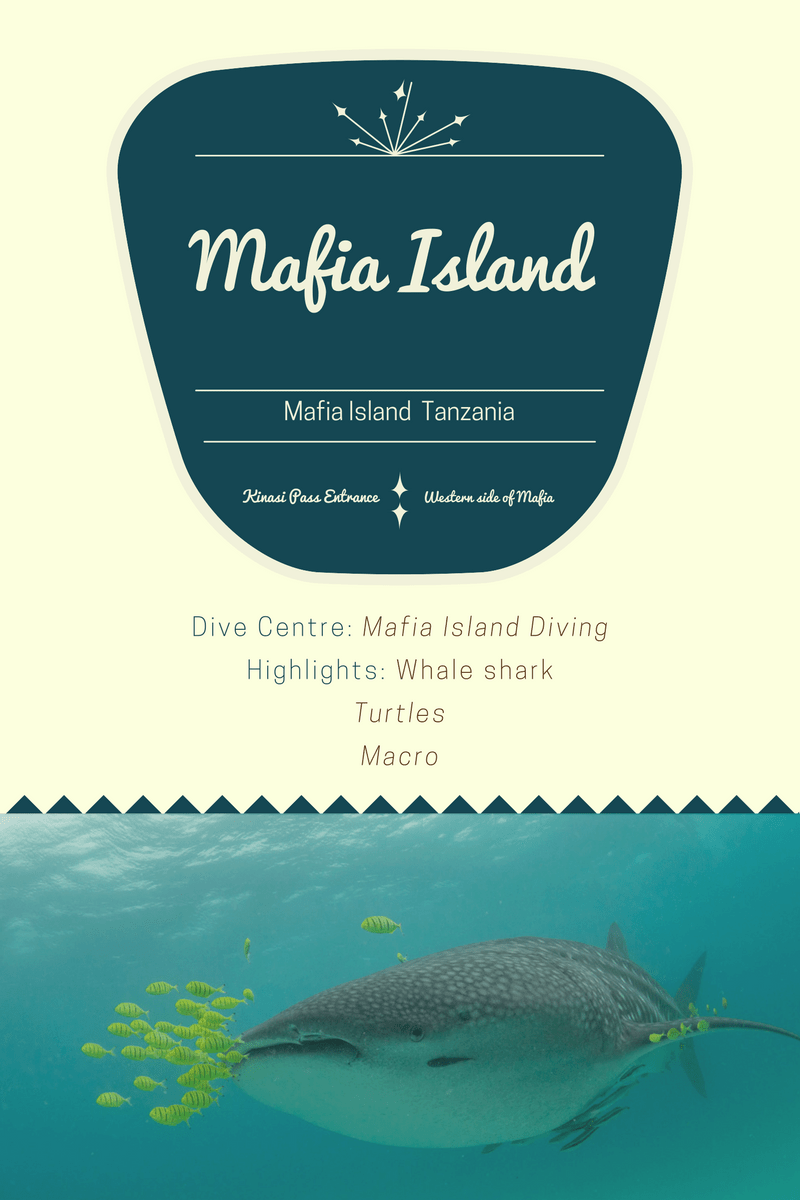
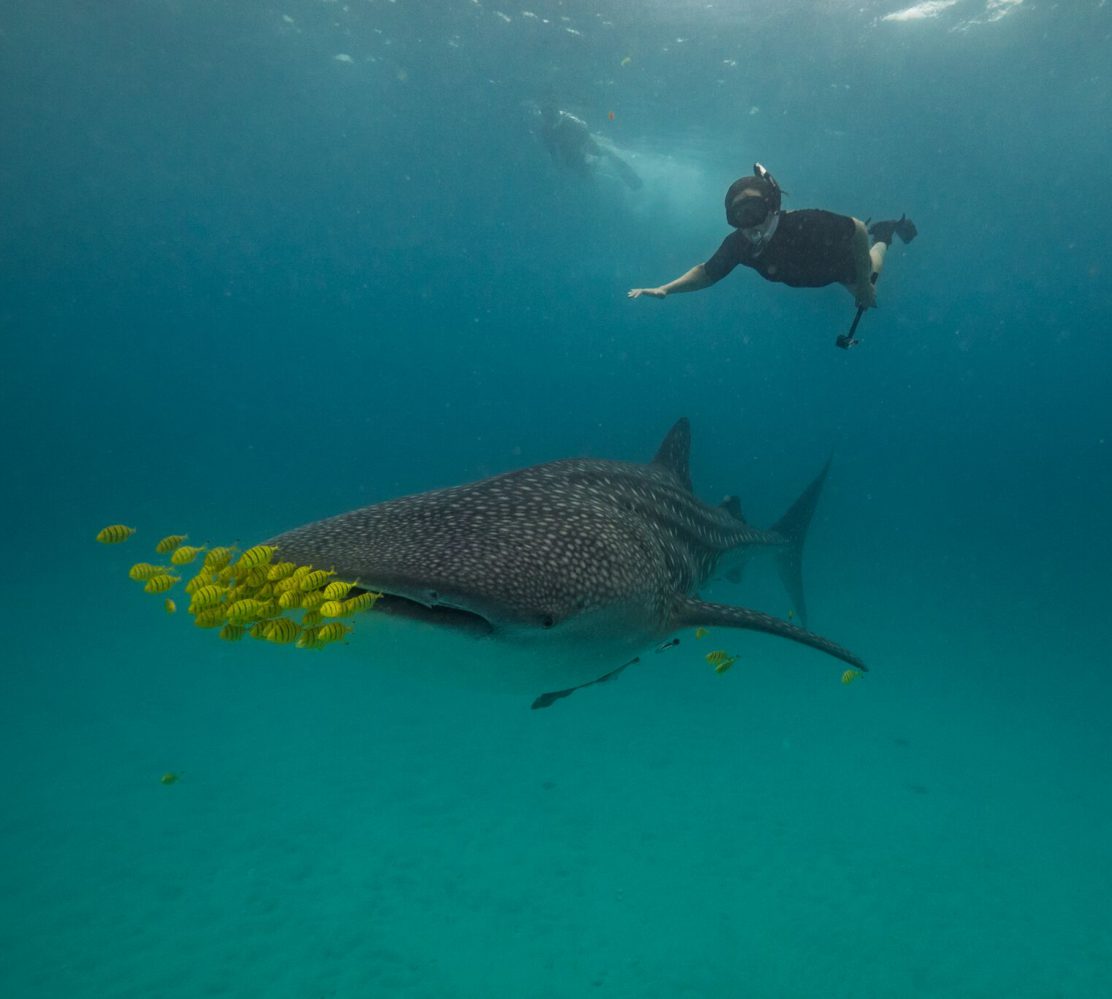
The trip had the highlight of diving with Dr Simon J Pierce and Dr Chris Rohner, both are leading the way in Whale shark research and conservation. We were given presentations in the evenings about tagging, feeding habits and behaviour. Spending ten days with these two was a geek-out dream.

We snorkelled with the Whale sharks in the morning and dived in the afternoon. On two of the days we just dived.

DCIM100GOPROGOPR1318.

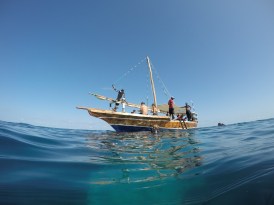
The dive boats in Mafia are something else, beds to lounge on, matted floor and a huge sail to take us back at sunset.

456

Photo credit: Simon Pierce

Trip video

Error
This video doesn’t exist

Is it a shark or a ray

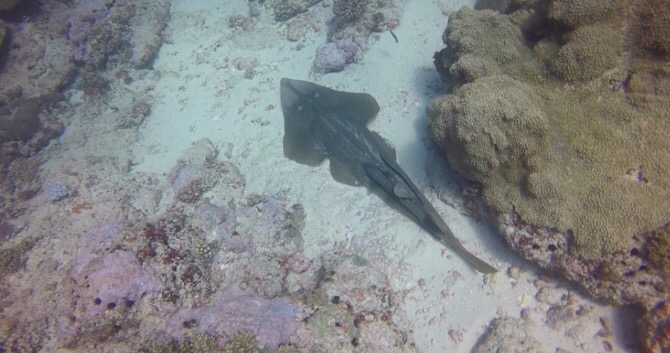
Diving outside the bay off Mafia island got me my shark fix for today or so I thought.


Was it a Guitar fish or Guitar shark? The first one was considerably bigger than the second but it was only after the discussion with the others that I realised I hadn’t pressed play on my GoPro and therefore had no evidence of it – very annoying!

and apparently Guitar sharks don’t exist they are all rays…

Guitar ray – pectoral fins fused to the head, gills on the underside

Guitar shark – pectoral separate, gills on side

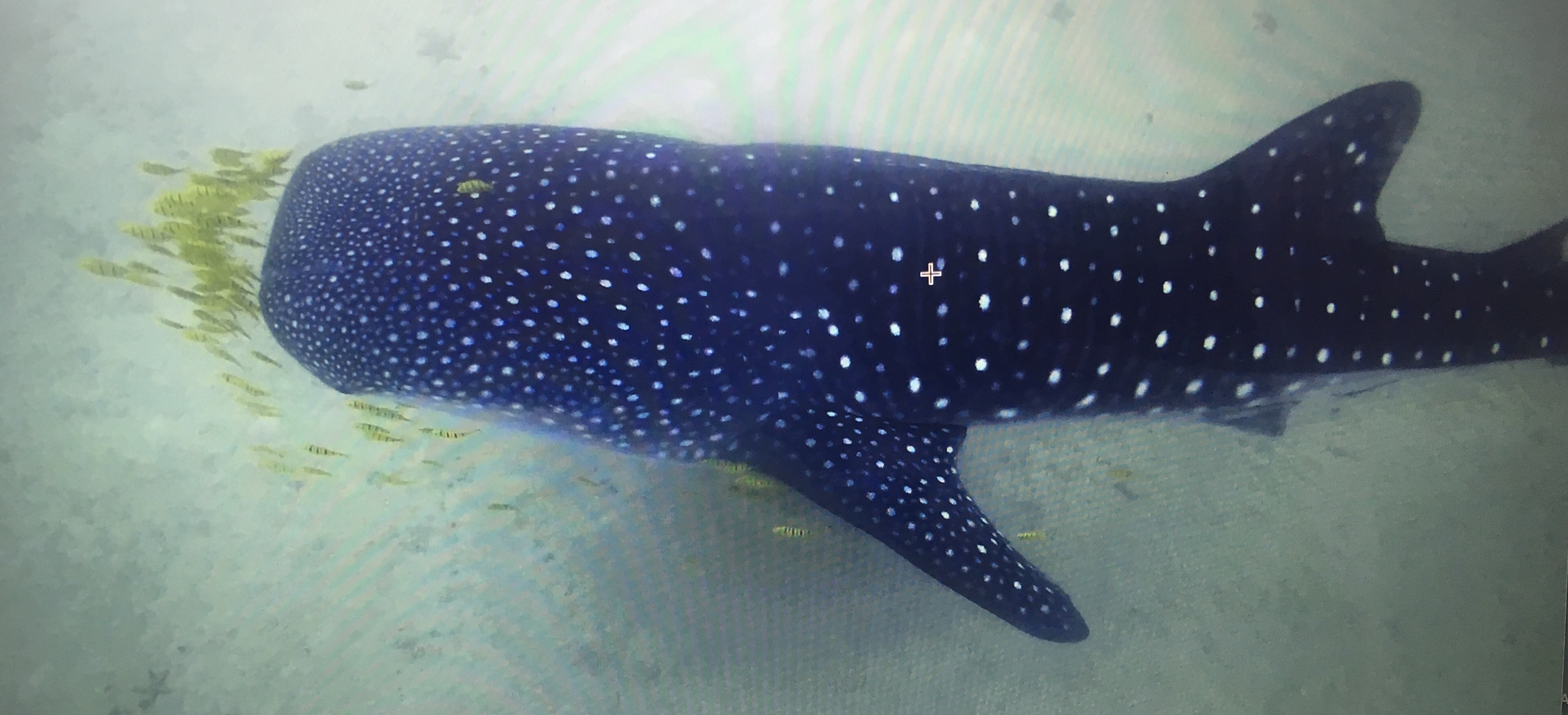
Whale shark feeding

Tonight we had a really interesting talk from Chris Rohner.

From water samples during feeding Chris and Matt have been able to identify the types of plankton consumed. This however will only give information on what the shark is feeding on right then.
From a skin sample they got more detailed information on what the shark feeds on when not at the surface. The samples show there are two types of fatty acid present;

Omega 3 – From the Plankton including copepods, fish eggs, krill, and small fish

Omega 6 – unknown

It is thought that the Omega 6 comes from feeding in the deep scattering layer.

Sonar operators, using the newly developed sonar technology during World War II, were puzzled by what appeared to be a false sea floor 300–500 metres deep at day, and less deep at night. This turned out to be due to millions of marine organisms, most particularly small mesopelagic fish, with swimbladders that reflected the sonar. These organisms migrate up into shallower water at dusk to feed on plankton. The layer is deeper when the moon is out, and can become shallower when clouds pass over the moon.[5] Wikipedia 

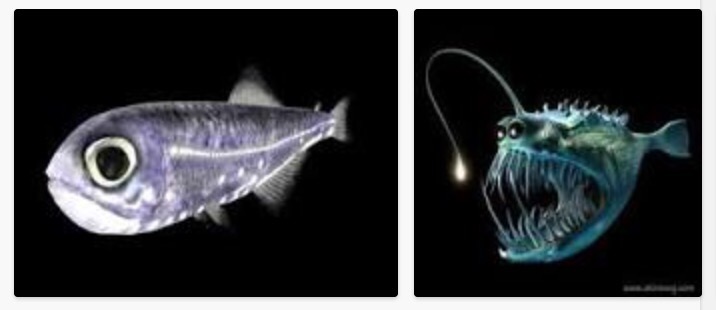
Chris found from an autopsy of a manta ray that lantern fish were present in the stomach. The fatty acids from the fish match up with the skin sample of the whale shark so it’s possible that the times we don’t see the sharks on the surface they are feeding at depths of 200m – 900m on lantern fish.

Lanternfishes (or myctophids, from the Greek mykter, “nose” and ophis, “serpent”) are small mesopelagic fish of the large family Myctophidae. 

Sampling via deep trawling indicates lanternfish account for as much as 65% of all deep-sea fish biomass. Indeed, lanternfish are among the most widely distributed, populous, and diverse of all vertebrates, playing an important ecological role as prey for larger organisms. With an estimated global biomass of 550 – 660 million metric tonnes, several times the entire world fisheries catch, lanternfish also account for much of the biomass responsible for the deep scattering layer of the world’s oceans.

Wikipedia 

Mini plane

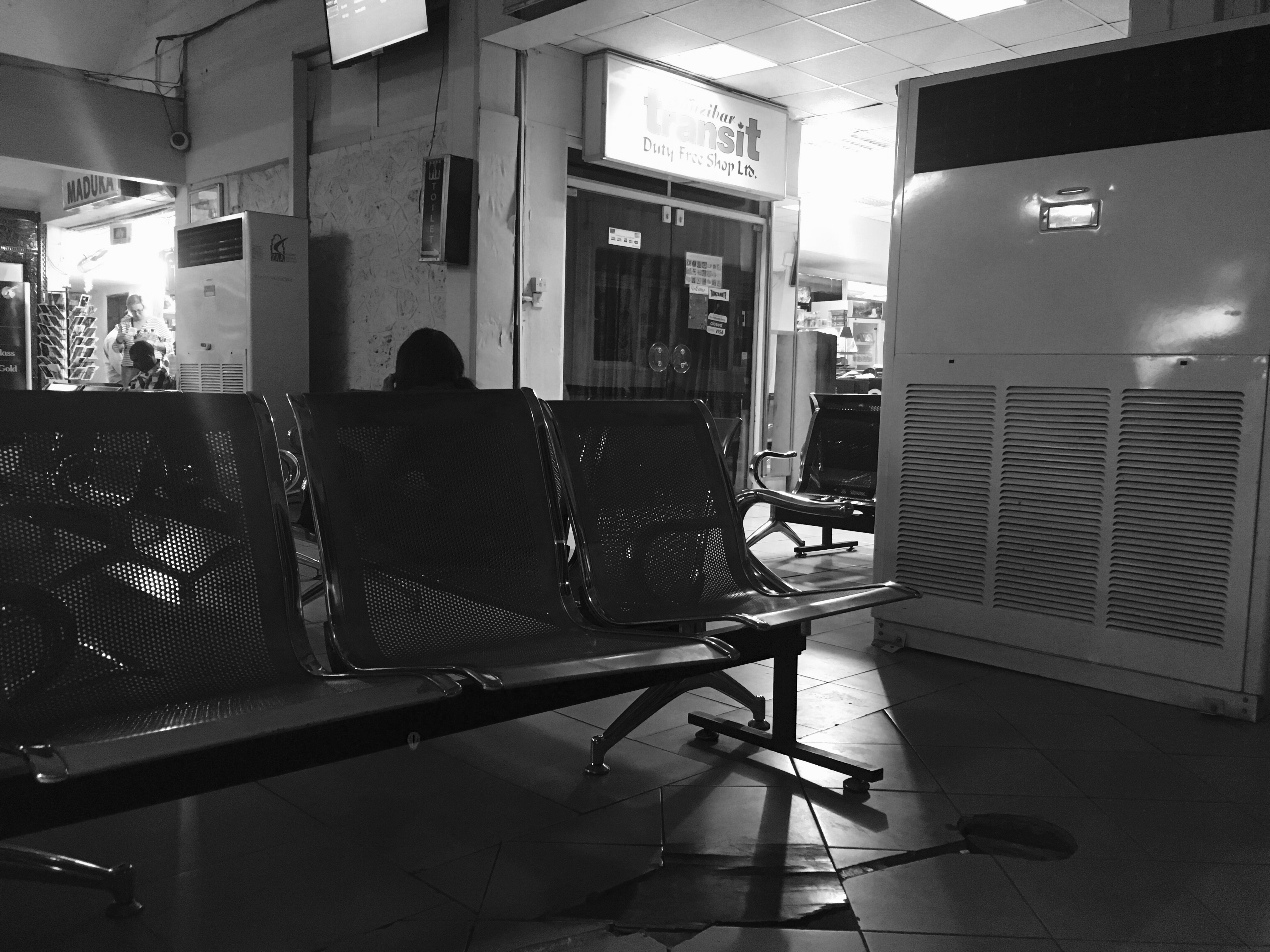
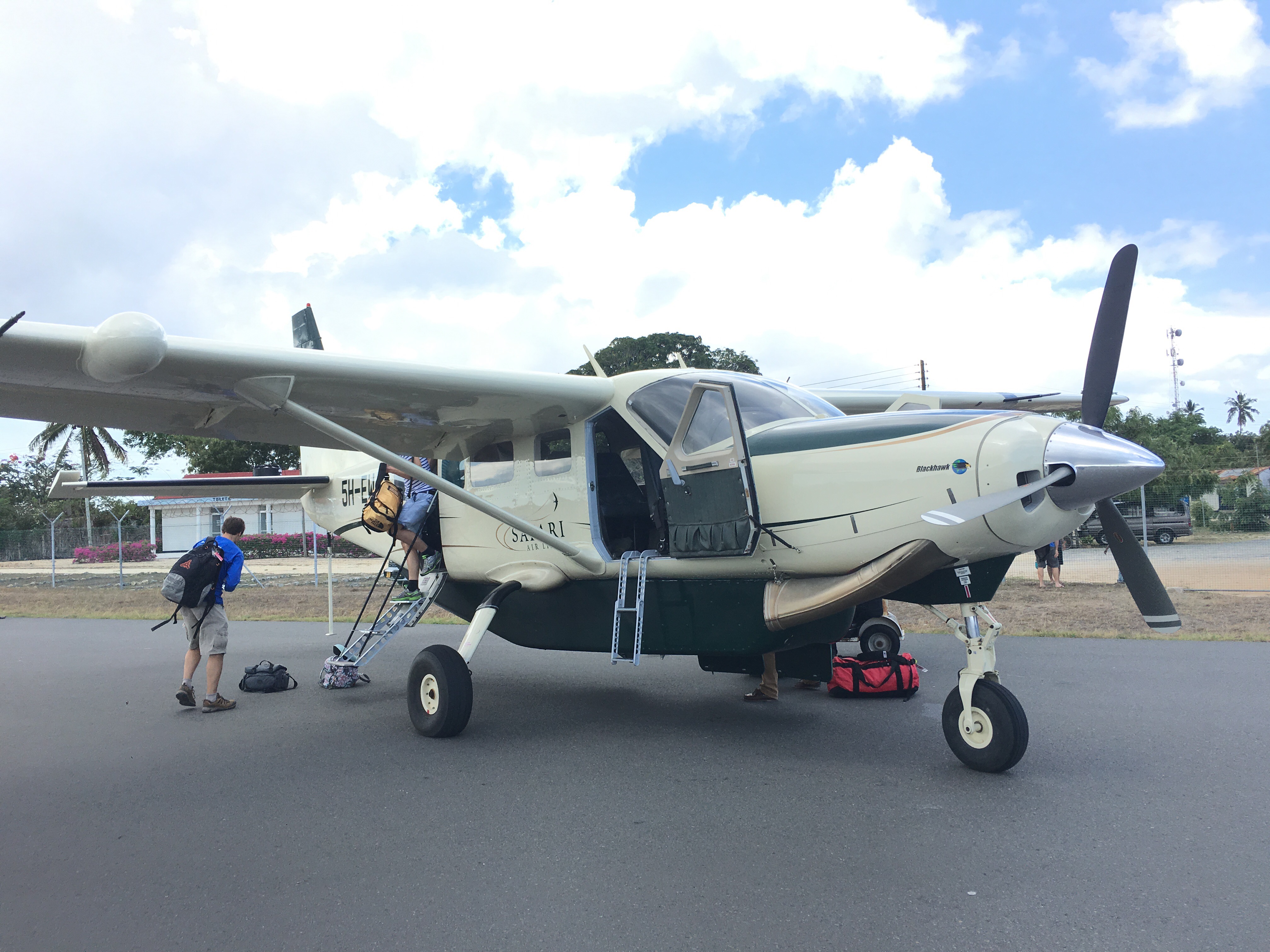
Whale shark spotting from the sky as we travel to our main destination; Mafia island. About 40 minutes from Zanzibar airport.

Ricardo and me are debating whether the guy the size of a hippo in front of us will fit through the teeny tiny plane door and whether the putt putt thing will have the power to take off. We feel a bit silly worrying about our extra few kilos of dive gear now…